

Integrating GridFreeTM EV Charging Systems into Buildings Provides Numerous Advantages.
Generates revenue through charging, energy sales, and various regulatory incentives while enhancing property value. Attracts more customers and foot traffic. Bolsters ESG compliance, fosters energy autonomy, and reduces carbon emissions.
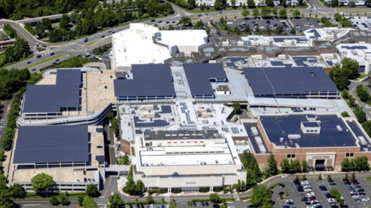
Retail Center & Shopping Mall
Large retail properties benefit from multiple revenue streams, ESG compliance, and energy independence. They also attract more customers with convenient EV charging and boost their brand reputation by committing to innovation and sustainability
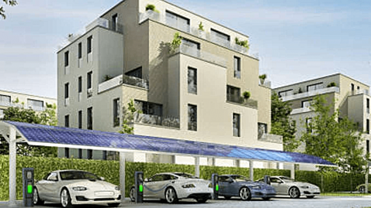
Multi-Unit Apartments
It’s a win-win situation. Microgrids reduce operating costs, create revenue streams (such as net metering and feed-in tariffs), enhance property value, and attract tenants for landlords. Tenants can lower utility bills and enjoy energy resilience.

Gas Stations & EV Charging Stations
Microgrids create demand response opportunities during power cost increases and can generate revenue by selling excess energy to utilities. Repurposing a microgrid-based EV charging ‘rest station’ into a 30-minute lifestyle is a great option.

Manufacturing Facility & Warehouses
Power failure is financially critical to manufacturers, food processors, and data centers. A one-hour power failure in a manufacturing facility could result in a $5 million loss.
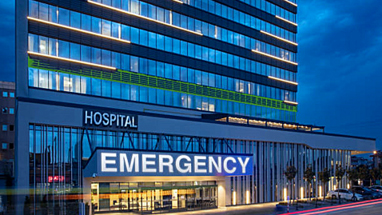
Hospital & Medical Facility
Microgrids prevent loss of life resulting from power failure. Microgrids can shave energy peaks and lower demand charges for hospitals, the heaviest energy users among all types of buildings.

Colleges & Government Buildings
Colleges are early adopters of CHP microgrids, which generate two forms of energy: electricity and steam. Converting the physical power system with a large footprint to microgrids benefits additional land space for campus expansion.